
For the past two years, the Colorado legislature, through SB22-130 and HB23-1101, approved $28 million annually for free transit fares in 16 transit entities across Colorado. State leaders chose “ozone season” (June through August) for this program to encourage ridership in order to reduce the number of cars on the road and emissions during the worst ozone months of the year.
The program has been successful in increasing ridership and decreasing greenhouse gas emissions. The program — in some form or another — should be expanded and made permanent. Without legislative action, the program will end July 1.
In 2023, RTD’s Zero Fare for Better Air program increased ridership by 22% and reduced greenhouse gas emissions by 3,000 tons. The program works. However, this is a drop in the bucket toward hitting our state goal of annual transportation emissions reductions of 12.7 million tons by 2030. We have only scratched the surface of what this program could achieve and the impact it needs to make. To see more substantial reductions in greenhouse gas emissions, we must permanently incentivize use of public transportation and expand those incentives.
Reducing emissions is a vitally important goal in itself. As an Arapahoe County Commissioner, I take my job of protecting human and environmental health seriously, which is why I prioritize effective climate policies. Our summers are getting hotter, and severe weather events are more common. In Colorado, where vehicle exhaust is the biggest contributor to planet-warming emissions, prioritizing getting cars off the road to reduce emissions is simple math.
There are other benefits of free fare programs. A free public transit program promotes equity and social justice by ensuring that everyone, regardless of their financial situation, has access to transportation. That makes it possible for Coloradans to reliably get from home to work, school, medical appointments, etc., increases economic mobility and security, and promotes Colorado values like self-determination and opportunity.
Additionally, when drivers choose public transportation, we reduce traffic congestion and parking woes. This, in turn, reduces stress, which is good for Colorado’s collective mental and physical health. Fewer vehicles also decrease wear on roads, which reduces tax dollars needed for infrastructure repair. And again, we need a sizable and permanent reduction in cars on roads to truly reap the benefits this change offers.
While we know that service frequency, reliability, timely routes and safety are also key in growing ridership, there is a positive relationship here. If funding for the free fare program were permanent and ridership continued to increase, transit agencies would add service to meet demand, providing more robust schedule options. As service and reliability increase, more residents would be inclined to use public transit.
Our state has a window of opportunity to transform how we travel, and the time to invest in public transit and free fares is now. As gas vehicles are phased out, public transit needs to be a viable option for those who cannot afford an EV or who see the transition away from gas vehicles as an opportunity to change their mode of transportation. But that requires investments in increasing ridership and service now so our system can absorb the influx and meet potential riders’ needs when they are ready to switch.
We know that free transit isn’t free and public transit alone will not solve our climate crisis, but every solution to this crisis will require investment. Electric vehicles and micro-mobility options (think electric bikes and scooters) are also part of the solution but have also required subsidies and rebates to be financially feasible for most.
My hope for this legislative session is that my colleagues at the state will see the free fare program’s positive environmental impacts and how it aligns with other legislative priorities around land use and social and economic equity goals, and that they will make permanent and expand the investment into the program.
Be it by adding months to the program or making fares permanently free for low-income, veteran, student, disabled, younger and/or older Coloradans, making the free fare funding permanent (something potential riders can rely on) is key to expanding ridership on public transit.
There is already a bill, SB24-032, to make the program permanent and expand free fares to youth 19 and younger year-round. The bill’s $14 million annual allocation to the program is a start but is only half of the $28 million allocated under SB22-130. RTD’s 2023 Zero Fare for Better Air program received nearly $14 million in reimbursement from the free fare program. A proposed study on a statewide transit pass, also in the bill, means hope for expanded permanent and equitable funding, which will be needed as ridership grows and service needs to grow to meet demand.
Let’s seize our opportunity to transform how we travel, let’s further reduce our greenhouse gas emissions, and let’s make the free fare program permanent.
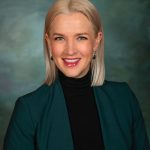
Arapahoe County Commissioner Jessica Campbell-Swanson is an attorney (former DU Environmental Law Clinic TA) with a master’s degree in comparative politics. She is the commissioners’ liaison to the county’s Public Works and Development Department, and works on transit policy through membership on the Denver South Board, and with the Colorado Counties Inc. and Counties and Commissioners Acting Together.
The Colorado Sun is a nonpartisan news organization, and the opinions of columnists and editorial writers do not reflect the opinions of the newsroom. Read our ethics policy for more on The Sun’s opinion policy. Learn how to submit a column. Reach the opinion editor at opinion@coloradosun.com.
Follow Colorado Sun Opinion on Facebook.