

As the descendants of a great-grandmother who was an enslaved person and a great-great-great grandfather who enslaved African people, we believe it’s time for Colorado to study the historical harm done against Black Coloradans that continue to affect them today.
The two of us know all too well that the impacts of injustice are insidious well beyond “back in the day.” We also know that our friendship across racial and historical lines has meant a small measure of healing for both of us. It takes effort.
The two of us found our footing and friendship as we worked together on Amendment A to the Colorado Constitution in 2018. Amendment A removed the clause that allowed slavery as punishment for a crime (as modeled after the 13th Amendment of the U.S.). Amendment A passed with 66.2% of the vote because Colorado voters could see that the exception to slavery as punishment for a crime disproportionately affected Black Coloradans as a higher percentage of the prison population — evidence of ongoing discrimination in the criminal legal system. The slavery exception as punishment for a crime was an example of how laws put in place through political compromise negatively affected our Black neighbors.
A bill recently introduced into the Colorado Legislature, Senate Bill 053: The Racial Equity Study, would bring to light additional challenges for Black Coloradans that many people assume are ancient history. It recently made it out of committee and is headed to the Senate floor.
The policies and practices of decades ago, like not being able to buy a home where you wanted because banks wouldn’t give you a loan based on zip codes of Black neighborhoods (redlining), and not being able to get the education you wanted for your children, continue to affect generations of Black Coloradans today. Formal policies, laws, and informal practices meant that Black Coloradans could only rent homes, not buy them. These same neighborhoods are now outpricing and displacing the renters who have lived there for generations without having been able to accrue equity in their homes. The Racial Equity Study bill will help all Coloradans understand the lasting impacts of the past that continue to perpetuate inequity today.
First treated as commodities, then as three-fifths of a U.S. citizen, and then as second-class citizens all by law, we know that it takes effort and an understanding of history to change the lives of Black Coloradans for the better. It’s easy to deceive ourselves when racist practices are disguised in laws or considered relics of the past.
But we know that racism continues today. Lee’s son was often pulled over by police as a young black teenager in Denver. He was given so many tickets that eventually he ended up in jail for overdue payments because he couldn’t keep up with the fines. This kind of profiling is common among Black families and becomes almost like a tax. As Black Coloradans, you just know you’re going to see lights.
As a white faith leader, there is an additional layer of responsibility because churches have been complicit in supporting harmful laws and cultural habits that have hurt real people in the past and present. Our Christian faith teaches us to love our neighbors as ourselves. This call crosses racial and political lines as we seek to be human together in ways that we all can thrive.
The residuals of slavery, the patterns of it, still play out today because of the way trauma is passed down through generations, and the way unexamined laws retraumatize Black folks. We want to believe that our elected leaders are making good decisions for all of us. History reveals that that is simply not true. Change for Black Coloradans takes all of us paying attention and creating that change.
The Racial Equity Study bill is a very small step toward fixing hidden problems and bringing healing. It will raise awareness to Colorado residents in the hope that those in power can make a difference, so that Black Coloradans can thrive.
When Black Coloradans thrive, all of our communities — Black, white and brown — prosper. We know firsthand that facing your history — whether that be of your own family, your community, or your state — is the first step toward healing. To our legislators: please vote yes on the Racial Equity Study Bill.
Sister Lee McNeil was a member of Shorter Community AME Church and former board president with Together Colorado. She passed away after this column was written; her family has given their blessing to run the column.
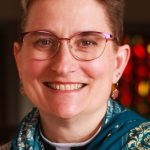
Pastor Caitlin Trussell is at Augustana Lutheran Church and is among the faith leaders of Together Colorado.
The Colorado Sun is a nonpartisan news organization, and the opinions of columnists and editorial writers do not reflect the opinions of the newsroom. Read our ethics policy for more on The Sun’s opinion policy. Learn how to submit a column. Reach the opinion editor at opinion@coloradosun.com.
Follow Colorado Sun Opinion on Facebook.